

Welcome to the wonderful world of baking! Whether you're a hobbyist or looking to create healthy and delicious homemade pastries for your family, this beginner's baking tutorial is the perfect starting point. Baking is both a science and an art; it requires time, patience, and attention to detail. With practice, you'll gradually discover the joy of it and create your own delicious treats. After learning and understanding these techniques, happy baking and enjoying every moment of creation!
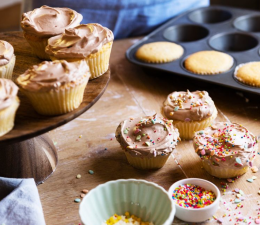
Tools and Materials
Essential Tools:
- Oven: The core equipment for baking; ensure it's preheated to the specified temperature.
- Electronic Scale: Accurately measures the weight of ingredients to ensure recipe accuracy.
- Measuring Cups and Spoons: Used for measuring liquids and loose dry ingredients.
- Hand Whisk/Electric Mixer: Used to mix batter and whip eggs, cream, etc.
- Rubber Spatula: Used to fold batter and scrape the sides of the bowl.
- Baking Pan and Parchment Paper/Baking Paper: Prevents sticking and keeps the pan clean.
- Molds: Choose different shapes and sizes of molds according to your baking needs.
- Cooling rack: Ensures even cooling of the finished product, preventing the bottom from becoming soggy.
Common Ingredients:
- All-purpose flour/Cake flour: The foundation for making cakes and cookies.
- Sugar: Provides sweetness and participates in the Maillard reaction for coloring.
- Butter/Vegetable oil: Add flavor and makes the batter soft.
- Milk/Water: Adjusts the consistency of the batter.
- Eggs: Provide protein and help with structure formation.
- Baking powder/Baking soda: Acts as a leavening agent, making the finished product fluffy.
- Salt: Enhances the overall flavor.
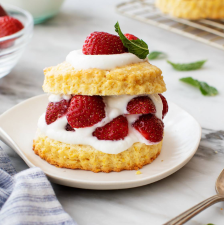
Basic Operating Guide
Read and understand the recipe:
Read the entire recipe carefully to ensure you understand each step.
Pay attention to baking time and temperature; this is crucial for success.
Accurately weigh ingredients:
Use an electronic scale to accurately weigh ingredients, especially dry ingredients such as flour and sugar.
Measure liquid ingredients accurately using a measuring cup or spoon.
Mix ingredients:
Mix the dry ingredients thoroughly first, then add the wet ingredients and stir.
Avoid overmixing, as this can cause the batter to develop gluten and affect the texture.
Dough/Batter Preparation:
Knead into a dough or mix until smooth as needed.
Pay attention to the consistency and flowability of the batter and adjust as needed.
Pouring and Baking:
Pour the batter into a parchment-lined mold and tap the surface to remove air bubbles.
Place in a preheated oven and bake at the time and temperature specified in the recipe.
Removing from the oven and cooling:
Insert a toothpick into the center to check if it's cooked through (no wet batter should come out).
Remove from the oven and immediately place on a cooling rack to cool completely.
Tips:
- Observe ingredient quality: Choosing high-quality ingredients is important, especially basic ingredients such as flour, sugar, and eggs, as they directly affect the taste and quality of the cake.
- Strictly follow the recipe: Beginners should choose simple and easy-to-follow recipes and strictly follow the instructions. Do not add or subtract ingredients on your own, as this may result in a failed cake.
- Pay attention to tool hygiene: Cake making requires many tools and utensils, such as whisks, mixing bowls, and baking pans. Before use, ensure they are clean and hygienic to prevent the contamination of bacteria and other pollutants.
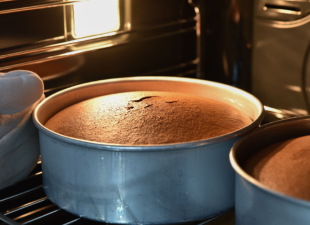
- Control oven temperature and time: Mastering oven temperature and time is crucial. Generally, excessively high oven temperatures or prolonged baking times will cause the cake to dry out or burn. It is recommended to preheat the oven and check the cake's progress periodically.
- Learn decorating techniques: Cake decoration is a very important aspect, directly affecting the cake's appearance. Beginners can start by practicing simple buttercream flower decorations and gradually improve their decorating skills.